
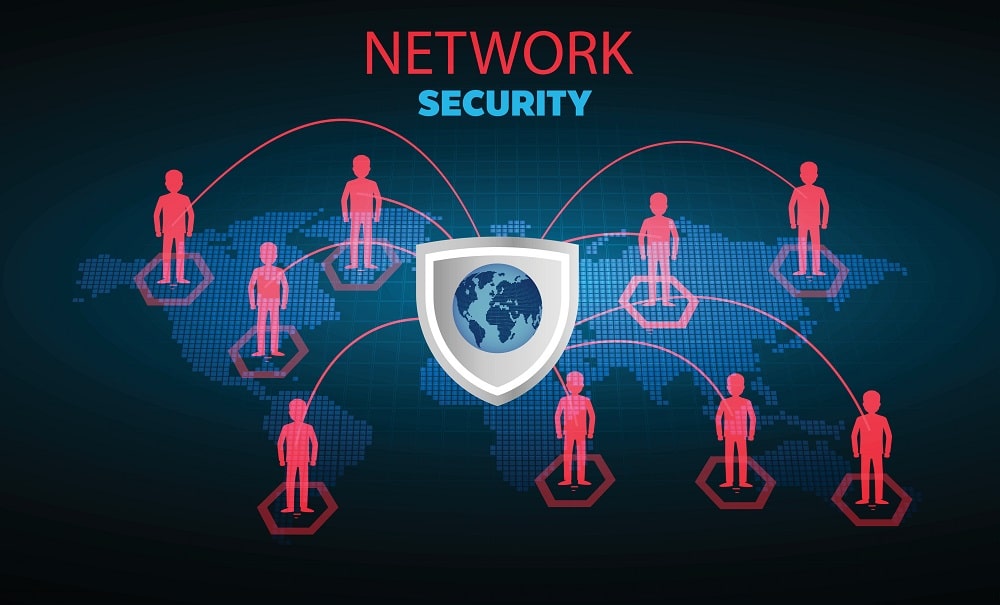
In today’s increasingly connected digital environment, understanding the difference between network security vs traditional IT security is essential for protecting business operations and sensitive data. While traditional IT security focuses on safeguarding individual devices, software, and endpoints from threats, network security is centered on protecting data as it moves across systems and infrastructure. For businesses relying on network security, combining both approaches ensures a stronger, more resilient defense against evolving cyber threats that target every layer of an organization’s IT environment.
At Vigilant IT, we help businesses implement layered security solutions that combine advanced network protection with broader IT security practices to reduce risk and strengthen operational resilience.
What Is Traditional IT Security?
Traditional IT security focuses on protecting individual systems, devices, software, and endpoints from cyber threats. Its primary goal is to secure the technology businesses use every day, including computers, servers, mobile devices, applications, and databases.
Traditional IT security measures often include:
- Antivirus and anti-malware software
- Endpoint protection
- Password management
- Operating system updates and patches
- Access controls and user permissions
- Device encryption
These tools are designed to prevent unauthorized access, malware infections, and data loss at the device or application level.
For example, if an employee downloads a malicious file onto their laptop, traditional IT security tools help detect and remove the threat before it compromises the device.
What Is Network Security?
Network security focuses specifically on protecting data as it moves across networks and connected systems. Instead of concentrating solely on individual devices, network security safeguards the communication pathways between systems, users, and applications.
This includes monitoring and securing:
- Internal business networks
- Wi-Fi systems
- Cloud connections
- Remote access environments
- Data transfers between devices and servers
Network security tools work to prevent unauthorized access, interception, and attacks that target network infrastructure or transmitted data.
Businesses investing in network security in South Jordan gain protection against threats that exploit vulnerabilities in communication systems and network traffic.
Key Differences Between Network Security and Traditional IT Security
While both approaches share the same ultimate goal—protecting business systems and data—they differ significantly in focus, tools, and threat management strategies.
Area of Protection
Traditional IT security protects endpoints like computers, servers, and software applications. Network security protects the pathways and infrastructure used to transfer data between those systems.
Threat Focus
Traditional IT security focuses heavily on malware, unauthorized software access, and device-level threats. Network security targets attacks such as network intrusions, data interception, ransomware propagation, and unauthorized traffic.
Security Tools
Traditional IT security commonly relies on antivirus programs, endpoint detection tools, and patch management systems. Network security uses firewalls, intrusion detection systems, VPNs, network segmentation, and traffic monitoring tools.
Monitoring Methods
IT security often monitors user activity and endpoint behavior. Network security continuously analyzes network traffic patterns and connection activity to identify suspicious behavior in real time.
Why Businesses Need Both Approaches
One of the biggest mistakes businesses make is relying too heavily on only one type of security. Traditional IT security alone cannot fully protect against network-based attacks, while network security alone cannot secure vulnerable endpoints.
Modern cyber threats are designed to exploit multiple weaknesses at once. For example, a phishing email may infect a user’s device, while attackers simultaneously attempt to move laterally across the network to access sensitive data.
Combining both approaches creates layered protection that reduces vulnerabilities and improves overall security posture.
At Vigilant IT, we help businesses build integrated security strategies that align endpoint protection, network monitoring, access controls, and threat detection into one cohesive defense system.
The Role of Threat Detection and Response
Threat detection methods differ between network security and traditional IT security, but both are equally important.
Traditional IT security tools may detect suspicious software behavior on a workstation, while network security systems identify unusual traffic patterns or unauthorized access attempts across the network. Together, these systems provide broader visibility into potential threats.
This layered monitoring allows businesses to respond more quickly and effectively, reducing downtime and limiting the impact of cyber incidents.
How Modern Work Environments Increase Security Challenges
Remote work, cloud computing, and connected devices have blurred the lines between traditional IT security and network security. Employees now access business systems from multiple devices and locations, increasing the number of potential vulnerabilities.
Without proper security measures in place, businesses risk exposing sensitive data through unsecured Wi-Fi networks, compromised endpoints, or poorly configured remote access systems.
This is why modern organizations require a comprehensive security strategy that protects both devices and the networks connecting them.
Building a Comprehensive Security Strategy
Businesses should approach cybersecurity as a multi-layered process rather than relying on a single solution. A strong security strategy should include:
- Endpoint protection and patch management
- Firewalls and intrusion detection systems
- Secure remote access solutions
- Network monitoring and threat analysis
- Employee cybersecurity training
- Regular vulnerability assessments and audits
By combining these elements, businesses create stronger protection against evolving cyber threats.
What’s Right For Your Business
Network security and traditional IT security serve different but equally important roles in protecting modern businesses. Traditional IT security focuses on devices, software, and endpoints, while network security safeguards data as it travels across systems and networks.
Businesses that combine both approaches benefit from stronger protection, improved threat detection, and reduced risk of costly cyber incidents. With support from Vigilant IT, organizations can implement integrated security solutions designed to protect every layer of their IT environment.
Investing in both network and traditional IT security is no longer optional—it’s essential for maintaining productivity, protecting sensitive data, and staying resilient in today’s rapidly evolving digital landscape.


