
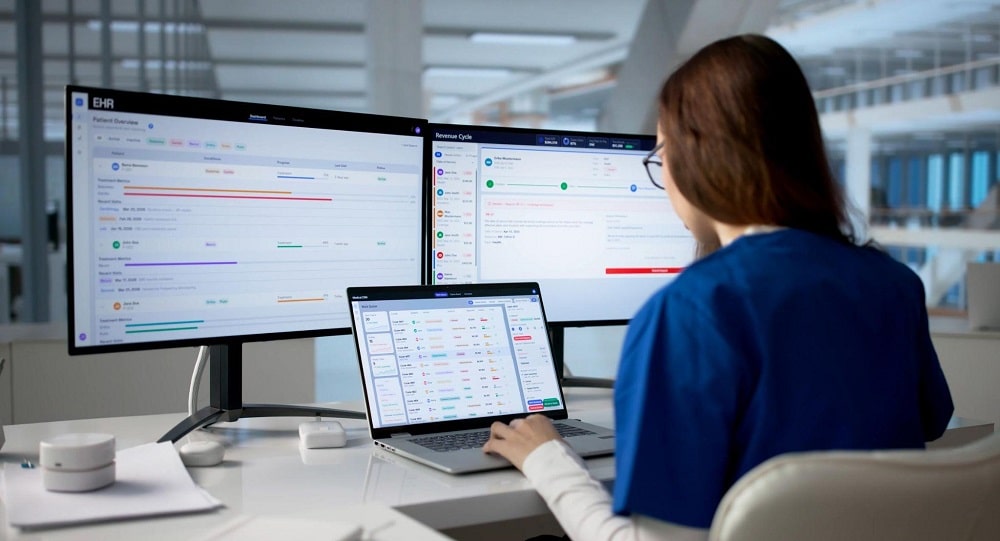
Healthcare providers depend on technology for nearly every aspect of daily operations. From electronic health records and patient scheduling to communication and billing, reliable IT infrastructure is essential for delivering efficient, secure care. As healthcare organizations adopt more digital tools, having the right technology strategy becomes increasingly important. Professional medical IT services in Utah can help healthcare providers manage their technology while improving operational efficiency, protecting sensitive information, and preparing for future growth.
Improved Operational Efficiency
One of the biggest benefits of professional medical IT services is improved efficiency. Healthcare organizations manage a significant amount of information every day, and inefficient technology systems can slow down staff and create unnecessary administrative work.
Modern IT solutions can automate routine processes and improve how information moves throughout an organization. Digital record management, automated backups, streamlined communication systems, and integrated applications can help employees spend less time dealing with technology problems and more time focusing on patients.
For example, properly configured systems can allow authorized staff to access patient information quickly instead of searching through disconnected systems or physical records. Automated workflows can also reduce repetitive administrative tasks and minimize the potential for manual errors.
An experienced IT partner can evaluate existing systems and identify opportunities to improve efficiency without unnecessarily disrupting daily operations.
Faster Access to Patient Information
Healthcare professionals need timely access to accurate information. Delays can affect productivity and potentially interfere with the patient experience.
Reliable IT infrastructure allows authorized providers and staff to access medical records, appointment information, test results, and other essential data when they need it. Cloud-based systems and secure networks can make information accessible across approved devices and locations while maintaining appropriate security controls.
Faster access can also improve communication between departments. Instead of waiting for information to be transferred manually, staff can work with centralized systems that make relevant information available to authorized users.
For patients, these improvements can translate into shorter wait times, more efficient appointments, and a smoother overall experience.
Stronger Data Security
Healthcare organizations are attractive targets for cybercriminals because they handle highly sensitive information. Patient records, insurance information, financial data, and other confidential details must be protected against unauthorized access and cyber threats.
Medical IT services can help organizations establish multiple layers of security. These may include endpoint protection, network security, access controls, encryption, multi-factor authentication, monitoring, and regular system updates.
Security should not be treated as a one-time project. Threats continue to evolve, which means healthcare providers need ongoing monitoring and maintenance to identify vulnerabilities and respond to suspicious activity.
Professional IT support can help ensure that security controls remain properly configured as systems, employees, and business requirements change.
Supporting Healthcare Compliance
Healthcare providers must also consider regulatory and compliance requirements when managing technology. Protecting patient information requires more than simply installing security software. Organizations need appropriate policies, access controls, monitoring, data protection practices, and documentation.
A knowledgeable IT provider can help healthcare organizations identify technology-related compliance gaps and implement appropriate safeguards. Regular assessments and proactive maintenance can also make it easier to identify potential issues before they become serious problems.
Through medical IT services, healthcare organizations can receive technology guidance designed around the unique security and operational demands of the healthcare industry.
Scalable Technology for Growing Healthcare Organizations
Healthcare organizations rarely remain static. A practice may add providers, open another location, introduce new services, or begin using additional digital applications. Technology needs to keep pace with that growth.
Scalable IT infrastructure makes it easier to add users, devices, applications, storage, and locations without constantly rebuilding the organization’s technology environment.
Cloud computing can play an important role in scalability. Instead of relying exclusively on physical infrastructure, organizations can use flexible cloud resources that can adapt as their requirements change.
A strategic IT partner can help healthcare providers determine which systems should be upgraded, replaced, migrated, or integrated as the organization grows.
Reduced Downtime and Technology Disruptions
Technology failures can create significant problems in a healthcare environment. A network outage, server failure, software issue, or compromised device can interrupt workflows and prevent employees from accessing important systems.
Preventative IT maintenance helps reduce these risks. Monitoring, patch management, hardware maintenance, backups, and proactive troubleshooting can identify potential problems before they become major disruptions.
When issues do occur, having professional support available allows organizations to respond quickly and restore systems with less downtime.
This proactive approach is especially important for healthcare providers because technology availability can directly influence how efficiently staff serve patients.
Better Technology Management
Healthcare organizations often use numerous interconnected systems, including electronic health records, scheduling platforms, communication tools, billing applications, medical devices, and security systems. Managing these technologies independently can become complicated.
Professional IT services provide a centralized approach to managing the technology environment. IT specialists can monitor systems, manage updates, troubleshoot problems, review security controls, and recommend improvements.
This gives healthcare leadership greater visibility into technology while allowing clinical and administrative teams to focus on their primary responsibilities.
A Stronger Foundation for Modern Healthcare
Technology will continue to play a larger role in healthcare. Telehealth, cloud applications, connected devices, digital records, and advanced analytics are creating new opportunities for providers—but they also introduce additional technical and security considerations.
Healthcare organizations that invest in reliable IT infrastructure are better positioned to take advantage of these technologies without sacrificing security or operational reliability.
Vigilant IT helps healthcare organizations develop technology environments that support productivity, security, compliance, and long-term growth. By combining proactive maintenance with strategic IT planning, providers can build an infrastructure capable of adapting to changing healthcare demands.
Building a More Efficient and Secure Healthcare Environment
Medical IT services are about much more than troubleshooting computers. The right technology strategy can improve operational efficiency, provide faster access to information, strengthen data security, support compliance, and give healthcare organizations the scalability they need to grow.
The benefits of medical IT services extend far beyond basic technical support. The right IT strategy can improve operational efficiency, provide faster access to patient information, strengthen data security, support healthcare compliance, and give providers the scalability needed for continued growth.


