
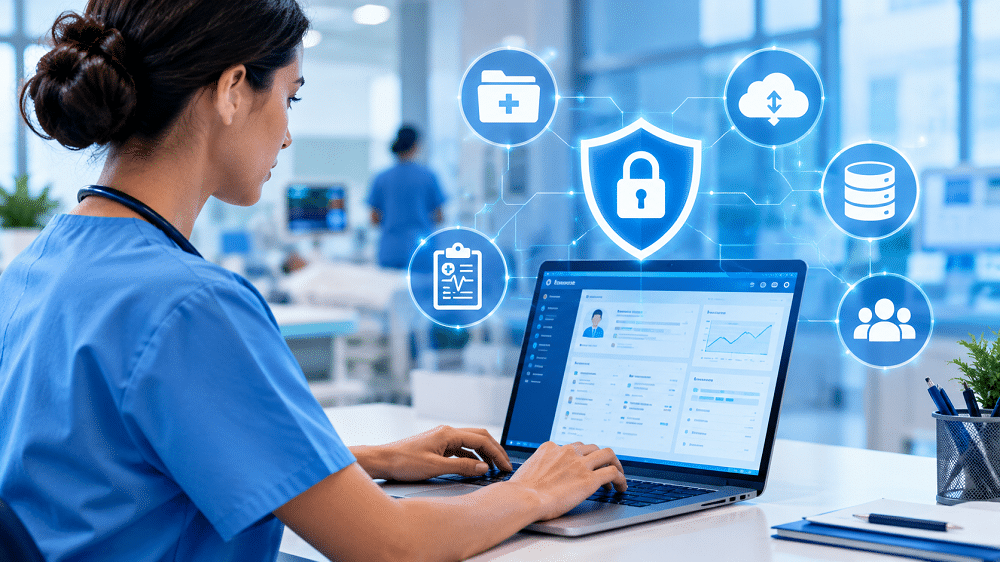
Healthcare organizations depend on technology to manage patient information, coordinate care, communicate with staff, and maintain daily operations. As medical practices become increasingly digital, a reliable IT infrastructure is essential for both patient care and data security. Professional medical IT services in Utah help healthcare providers manage technology more effectively while protecting sensitive information and keeping critical systems available when they are needed most.
From electronic health records (EHRs) to secure networks and data backups, the right IT strategy can make healthcare operations more efficient while reducing technology-related risks.
Streamlining Patient Data Management
Healthcare providers manage large amounts of information every day. Patient records, test results, medical histories, insurance information, and appointment details all need to be stored and accessed efficiently.
Medical IT services can help organizations implement systems that streamline how this information is managed. Properly configured networks, cloud solutions, data storage systems, and EHR platforms allow authorized healthcare professionals to access relevant information more efficiently.
Improved accessibility can reduce unnecessary delays and help providers spend less time searching for information. Instead, staff can focus more of their attention on patients and administrative responsibilities.
Technology integration also reduces the need to rely on disconnected systems. When information can be accessed through properly integrated platforms, healthcare teams can work with more complete and current patient information.
Improving EHR Efficiency
Electronic health records have become an important part of modern healthcare. EHR systems allow providers to digitally manage patient information and access records during appointments and other stages of care.
However, simply having an EHR system is not enough. Healthcare organizations need reliable infrastructure to support it.
IT professionals can assist with system configuration, network performance, user access, updates, backups, and troubleshooting. Keeping EHR systems operating reliably helps providers access the information they need without unnecessary technical interruptions.
Better EHR integration can also improve communication between authorized members of a healthcare team. When relevant information is readily available, providers can spend less time dealing with technology barriers and more time addressing patient needs.
Strengthening Patient Data Security
Healthcare organizations handle highly sensitive information, making data security a critical responsibility. Unauthorized access, malware, ransomware, phishing attacks, and other cyber threats can expose confidential patient information and disrupt operations.
Medical IT services can provide multiple layers of protection. Depending on the organization’s needs, security measures may include:
- Network security and firewalls
- Endpoint protection
- Multi-factor authentication
- Access controls
- Data encryption
- Security monitoring
- Regular software updates and patches
- Secure backups
These measures work together to reduce the risk of unauthorized access and data breaches.
Security should also be continuously maintained. Cyber threats change over time, and outdated systems or improperly configured security controls can create vulnerabilities. Ongoing monitoring and maintenance help healthcare organizations address potential weaknesses before they become larger problems.
Supporting Healthcare Compliance
Protecting patient information is closely connected to regulatory compliance. Healthcare organizations must establish appropriate safeguards for sensitive health information and maintain processes that support their compliance obligations.
Technology plays an important role in this effort. Proper access controls can limit information to authorized users, while encryption and monitoring can provide additional safeguards.
IT professionals can also help organizations evaluate their existing technology environments, identify potential security gaps, and implement appropriate controls.
Through medical IT services in Utah, healthcare providers can receive technology support designed around the operational and security requirements of modern healthcare environments.
Maintaining System Uptime
Healthcare providers cannot always afford extended technology outages. If an EHR system, network, communication platform, or other critical technology becomes unavailable, employees may have difficulty accessing the information and tools they need.
Reliable IT support helps reduce these disruptions through proactive monitoring, maintenance, troubleshooting, and system management.
IT professionals can monitor infrastructure for potential problems and address issues before they result in extended downtime. When an unexpected problem does occur, having experienced support available can help restore systems more quickly.
Maintaining system uptime supports smoother operations and helps healthcare employees continue serving patients without unnecessary technology-related interruptions.
Protecting Data With Reliable Backups
Backups are another important part of healthcare IT. Hardware failures, ransomware attacks, accidental deletion, and other incidents can result in data loss if organizations do not maintain reliable copies of important information.
A comprehensive backup strategy can provide an additional layer of protection. Automated backups, secure storage, and regular restoration testing help organizations prepare for unexpected incidents.
Cloud-based backup solutions can also provide additional flexibility. However, healthcare providers should ensure that cloud systems are properly configured and protected with appropriate access and security controls.
Supporting Modern Healthcare Technology
Healthcare technology continues to evolve. Telehealth platforms, cloud applications, connected medical devices, digital communication tools, and other technologies are becoming increasingly common.
As organizations adopt new solutions, their IT environments become more complex. Professional IT support can help healthcare providers evaluate new technologies, manage integrations, address compatibility concerns, and maintain security.
This allows organizations to adopt useful technology without overlooking the infrastructure required to support it.
Creating a More Reliable Patient Experience
Technology may operate behind the scenes, but its impact can be visible to patients. Slow systems, unavailable records, network problems, and other technical issues can create delays and frustration.
Reliable IT infrastructure helps healthcare staff work more efficiently. Faster access to information, dependable systems, and fewer technical disruptions can contribute to a smoother patient experience.
At Vigilant IT, we help healthcare organizations maintain technology environments designed for reliability, security, and efficiency. From system maintenance and monitoring to cybersecurity and infrastructure support, the goal is to keep essential technology working when providers and patients depend on it.
Building a Secure Foundation for Patient Care
Medical IT services play an important role in both patient care and data security. By improving data management, supporting EHR systems, protecting sensitive information, maintaining system uptime, and preparing organizations for new technologies, IT services provide an essential foundation for modern healthcare operations.
Healthcare providers should view technology management as an ongoing responsibility rather than a one-time investment. With proactive support and appropriate security measures, organizations can create a more reliable environment for employees while protecting the information entrusted to them.
Vigilant IT provides healthcare-focused technology support that helps organizations strengthen their infrastructure, protect sensitive data, and maintain reliable systems. Investing in the right IT strategy allows healthcare providers to focus on what matters most: delivering efficient, dependable care.


